1999 ford f-150
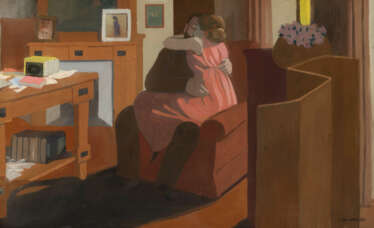

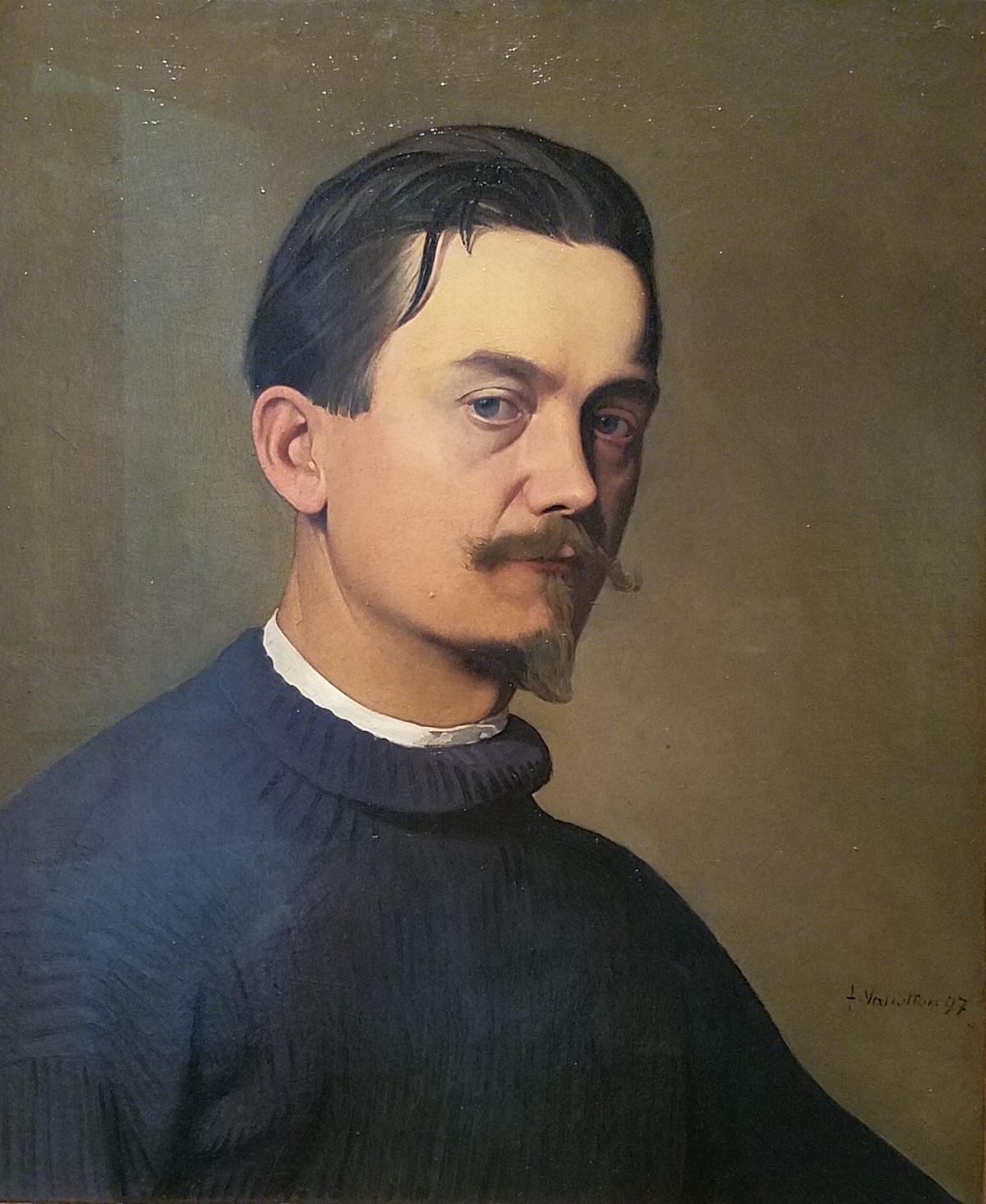
Félix Vallotton, a Swiss-born French graphic artist and painter, is recognized for his distinctive woodcuts and paintings of nudes and interiors. Vallotton's journey into art began in Paris, where he attended the Académie Julian, fostering a unique style that broke from traditional norms. His early works, characterized by extreme realism, were showcased at the Salon des Artistes Français and the Paris Universal Exposition of 1889. This period also marked Vallotton's encounter with Japanese prints, notably those by Hokusai, profoundly influencing his artistic direction.
In 1892, Vallotton joined Les Nabis, a group of avant-garde artists including Pierre Bonnard, Maurice Denis, and Édouard Vuillard, which led to a significant evolution in his style. His paintings from this era, such as "Bathers on a Summer Evening" and "Moonlight," exhibited at the Kunsthaus Zürich and the Musée d'Orsay respectively, reveal a departure from realism towards a more symbolic and abstract representation. The works from this period are characterized by flat areas of color, hard edges, and simplified details, mirroring the style he developed in his woodcuts.
Vallotton's woodcuts, like "Intimités" (Intimacies), a series published in 1898, showcased his mastery in capturing the nuances of human relationships, particularly the tensions between men and women. His graphic art, which included depictions of domestic scenes, bathing women, and street crowds, was not just celebrated in Europe but also influenced artists like Edvard Munch, Aubrey Beardsley, and Ernst Ludwig Kirchner.
Towards the end of his career, Vallotton continued to innovate, combining elements of realism and abstraction, evident in paintings like "La Malade" (The Sick Girl) and "Clair de lune" (Moonlight). His works remain a testament to his ability to merge technical precision with a poignant exploration of human emotions and societal themes.
For art collectors and experts, Vallotton's body of work offers a rich and diverse exploration of early 20th-century art movements, especially his role in the development of modern woodcut techniques and his contribution to the Nabis movement. His works are a study in the fusion of realism and symbolism, marked by a distinctive style that makes his art enduringly relevant and compelling.
For those interested in discovering more about Félix Vallotton and staying updated on related product sales and auction events, signing up for updates is a great opportunity. This subscription will exclusively alert you to new sales and events pertaining to Vallotton's works, ensuring you remain informed in the dynamic world of art and antiques.
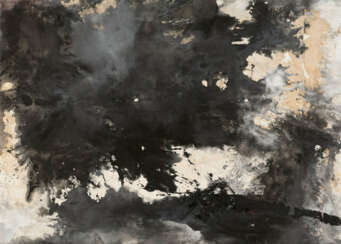

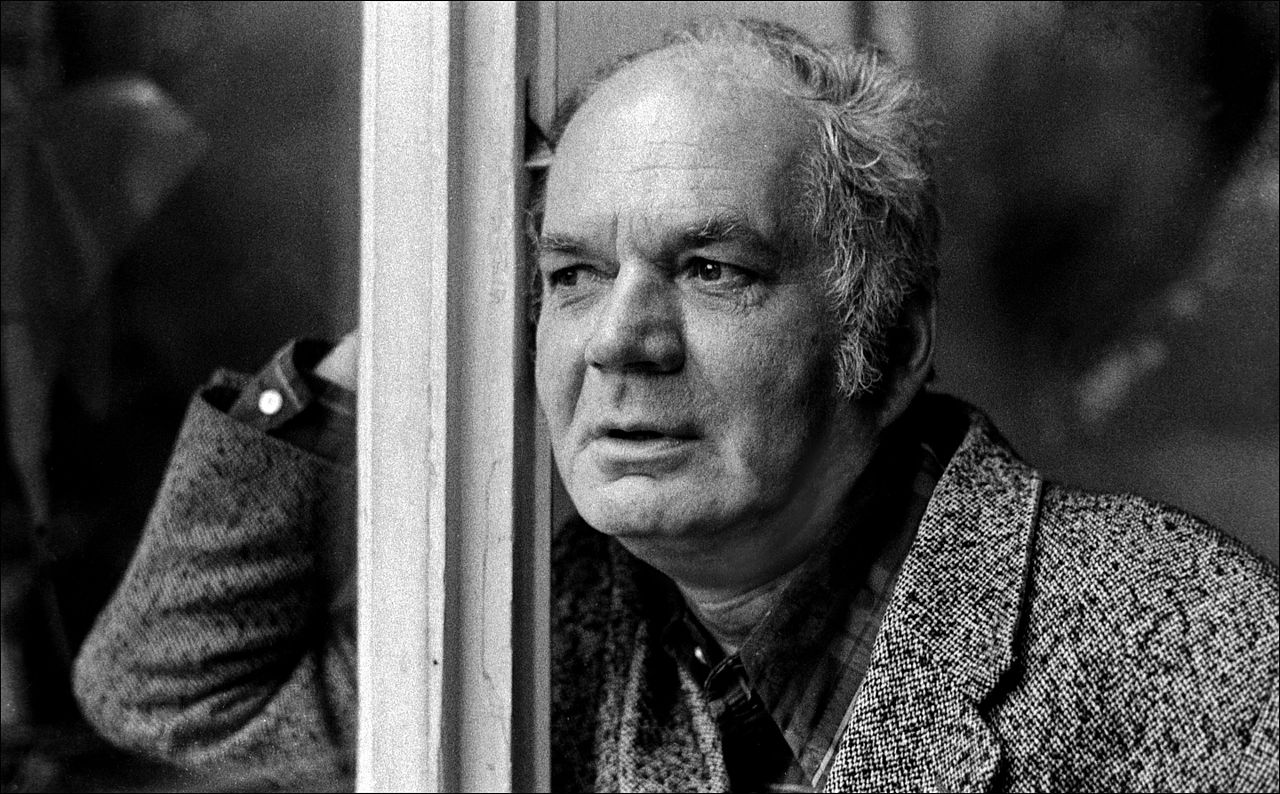
Fred Thieler was a German abstract artist known for his colorful, gestural paintings. He was born in Königsberg, Germany, and studied at the Academy of Fine Arts in Königsberg before moving to Berlin in 1945.
Thieler's early work was influenced by the Expressionist and Surrealist movements, but he soon developed his own unique style characterized by bold colors and dynamic brushstrokes. He often used a palette knife to apply paint to the canvas, creating thick, impasto layers that added depth and texture to his works.
Throughout his career, Thieler participated in numerous exhibitions in Germany and internationally, including the Venice Biennale and Documenta in Kassel. He was also a member of the influential German art group "Quadriga," which included artists such as Bernard Schultze, Karl Otto Götz, and Otto Greis.
In addition to painting, Thieler also worked as a graphic designer and a teacher. He was a professor at the Academy of Fine Arts in Berlin from 1965 to 1981, where he had a significant impact on the next generation of German artists.
Thieler's work can be found in many private collections and museums, including the Museum of Modern Art in New York, the Stedelijk Museum in Amsterdam, and the Museum Ludwig in Cologne.

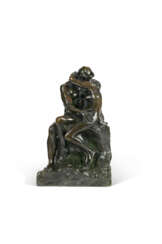

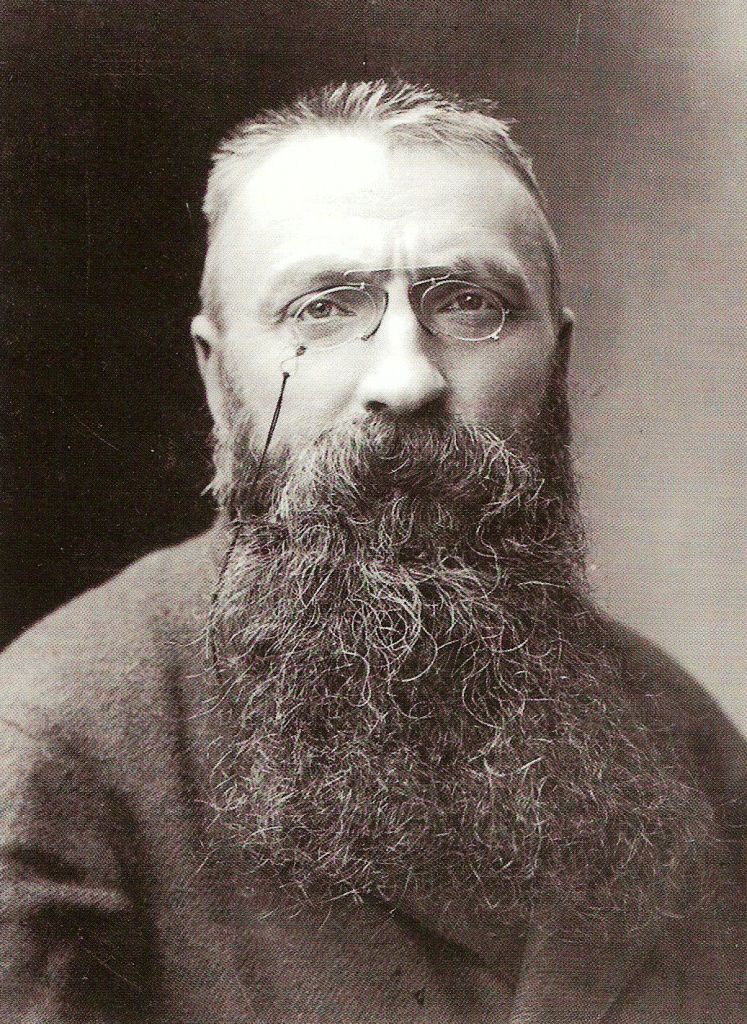
François Auguste René Rodin was a French sculptor, generally considered the founder of modern sculpture. He was schooled traditionally and took a craftsman-like approach to his work. Rodin possessed a unique ability to model a complex, turbulent, and deeply pocketed surface in clay. He is known for such sculptures as The Thinker, Monument to Balzac, The Kiss, The Burghers of Calais, and The Gates of Hell.
Many of Rodin's most notable sculptures were criticized, as they clashed with predominant figurative sculpture traditions in which works were decorative, formulaic, or highly thematic. Rodin's most original work departed from traditional themes of mythology and allegory. He modeled the human body with naturalism, and his sculptures celebrate individual character and physicality. Although Rodin was sensitive to the controversy surrounding his work, he refused to change his style, and his continued output brought increasing favor from the government and the artistic community.
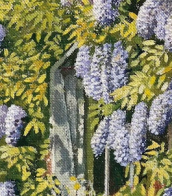
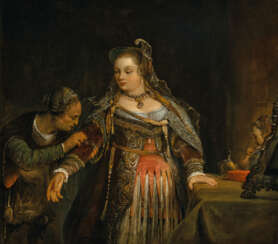

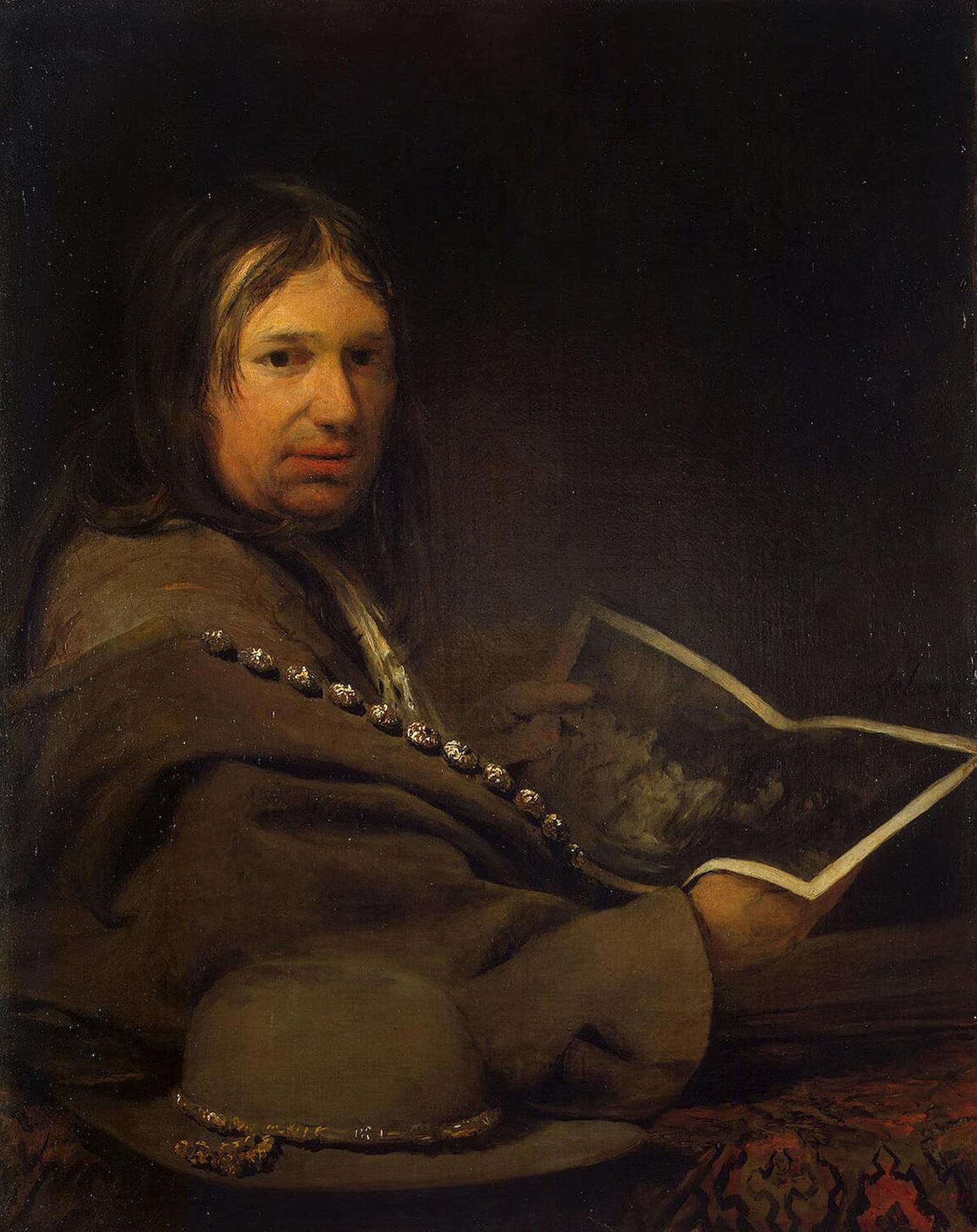
Aert de Gelder was a Dutch painter. He was the only Dutch artist to paint in the tradition of Rembrandt's late style into the 18th century.
As author of biblical scenes and portraits his style was inspired by Rembrandt's, using his artistic ideas, well into the 18th century, without being influenced by contemporary new fashions. From the artistic point of view his work can not be considered as passive imitation of the master; indeed, it stands for inventiveness in the narrative, taste for the theatrical and a strong emotional charge of the characters. All these traits made him one of the most important interpreters of Dutch painting of the late seventeenth century.


François Auguste René Rodin was a French sculptor, generally considered the founder of modern sculpture. He was schooled traditionally and took a craftsman-like approach to his work. Rodin possessed a unique ability to model a complex, turbulent, and deeply pocketed surface in clay. He is known for such sculptures as The Thinker, Monument to Balzac, The Kiss, The Burghers of Calais, and The Gates of Hell.
Many of Rodin's most notable sculptures were criticized, as they clashed with predominant figurative sculpture traditions in which works were decorative, formulaic, or highly thematic. Rodin's most original work departed from traditional themes of mythology and allegory. He modeled the human body with naturalism, and his sculptures celebrate individual character and physicality. Although Rodin was sensitive to the controversy surrounding his work, he refused to change his style, and his continued output brought increasing favor from the government and the artistic community.
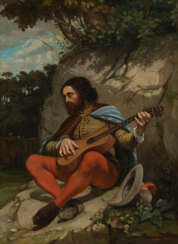

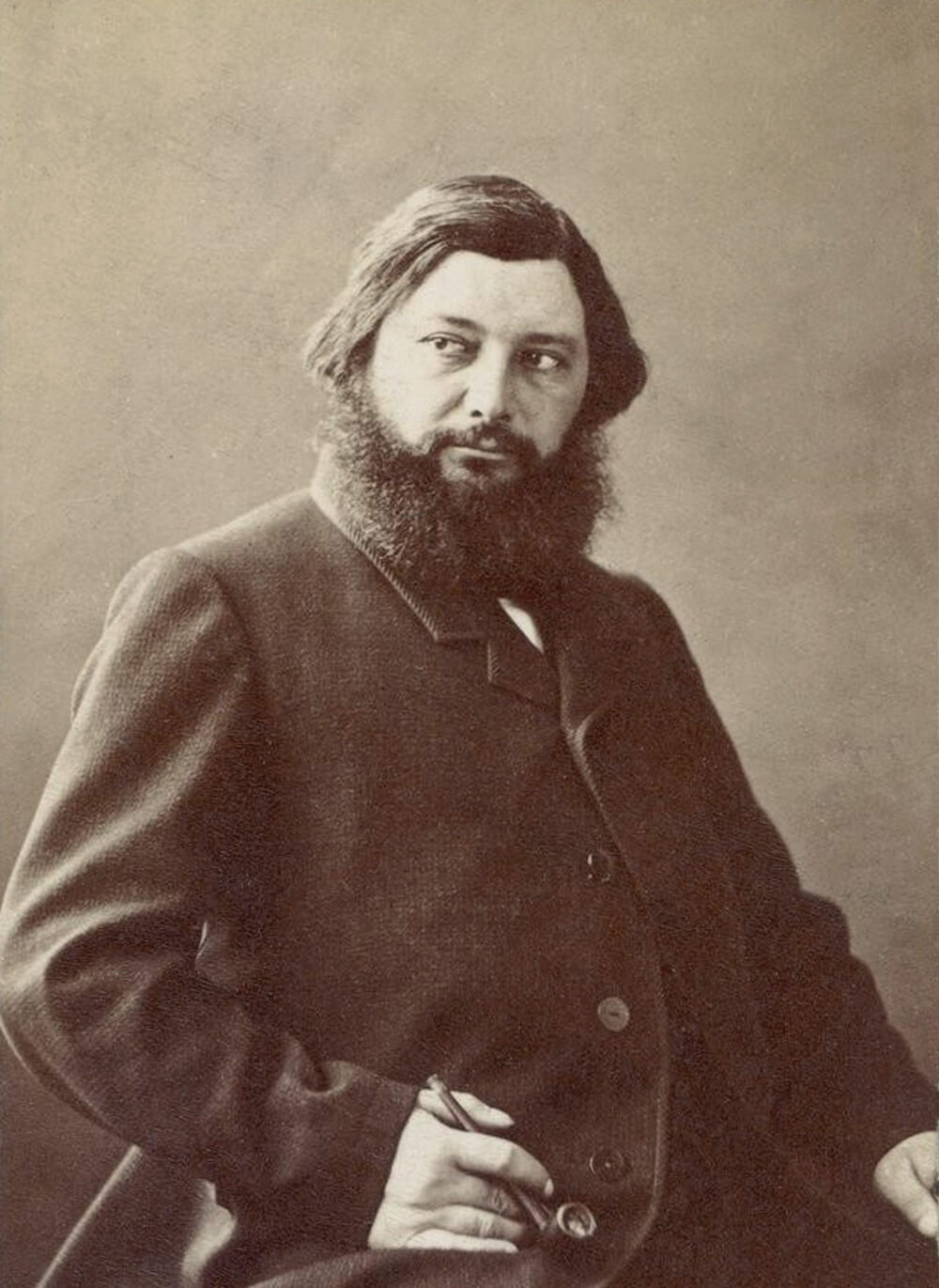
Jean Désiré Gustave Courbet was a French painter who led the Realism movement in 19th-century French painting. Committed to painting only what he could see, he rejected academic convention and the Romanticism of the previous generation of visual artists. His independence set an example that was important to later artists, such as the Impressionists and the Cubists. Courbet occupies an important place in 19th-century French painting as an innovator and as an artist willing to make bold social statements through his work.